Call
Call us on +353 1 685 2858. We’re around Monday to Friday, 9:00AM to 5:00PM

Hiskinstown Solar Farm
An application for a 10‑year planning permission was submitted to Westmeath County Council in May 2025 for the development of a solar energy project across approximately 157 hectares of lands in the townlands of Hiskinstown, Ballygillin, Ballynacor, Stonestown, Corbetstown, Higginstown, Sionhill, Hodgestown, Dardistown, Graffanstown, Reynella, Balrath East, Chanonstown and Clonlost, Co. Westmeath.
What we could achieve at Hiskinstown


The proposed development will include:
A comprehensive programme of hedgerow re‑planting, ecological enhancement and biodiversity measures will also form part of the development design.
Once operational, the solar farm will supply clean, renewable electricity to the national grid, supporting Ireland’s climate and energy targets. The project is expected to participate in a future Renewable Electricity Support Scheme (RESS) auction.
More details about the proposal can be viewed by visiting our Virtual Consultation Room at the link below.
Want to hear more details about our proposal?
The planning application for the Hiskinstown Solar Farm was submitted to Westmeath County Council in May 2025. Subject to approval, the permission will allow for a construction period and full build‑out over a 10‑year timeframe.
More detailed information on the planning process can be found in the Application Process section below.
An overview map showing the project boundaries and key local roads for context.
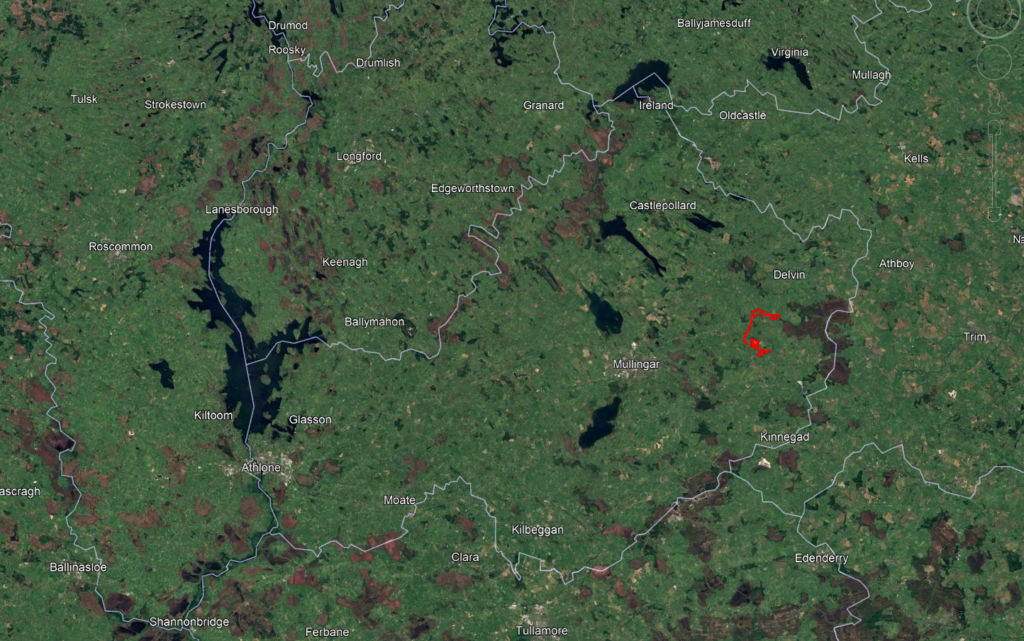
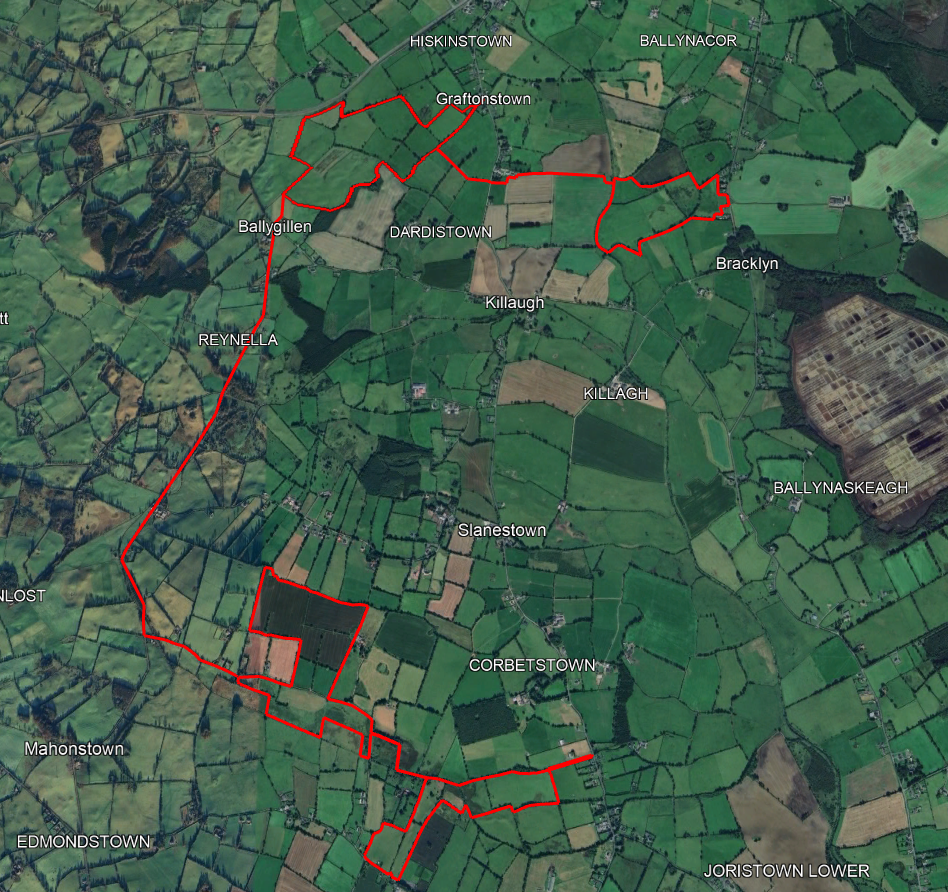
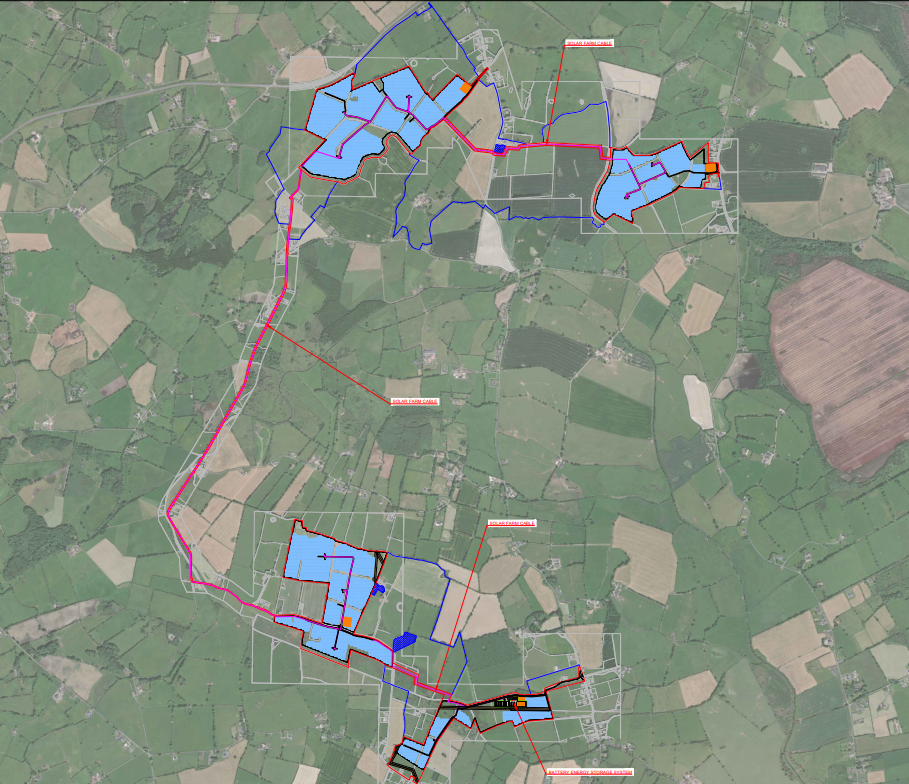
The planning application for the solar farm development was submitted in May 2025 to Westmeath County Council, under Section 34 of the Planning and Development Act 2000 (as amended). A 10-year permission is being sought.
A Planning and Environmental Considerations Report was prepared and submitted with the application. This includes:
A Glint and Glare Assessment, Landscape Management Plan and a Flood Risk Assessment was submitted as part of the planning application, along with a Construction Environmental Management Plan (which will be fully finalised before any construction work takes place).
Environmental survey data was collected on-site and used to directly inform and guide the project design. The design of the proposed solar farm has been revised in response to feedback from Westmeath County Council and will be further refined for public submissions to ensure it aligns with the needs and concerns of the local community.
At Hiskinstown Solar Farm, our goal is to deliver clean, renewable energy while creating lasting benefits for the local community and environment. By listening, sharing updates, and engaging openly, we can ensure the solar farm reflects local priorities and provides real value for everyone.
A Community Benefit Fund (CBF) is a government‑mandated fund linked to RESS (Renewable Electricity Support Scheme) solar projects. These funds provide long‑term financial support to communities located near renewable energy developments.
Every RESS‑supported solar project contributes to a CBF at a minimum rate of €2 per MWh of electricity generated. Because this contribution continues for 15 years, communities receive predictable, stable support throughout the operational life of the project.
Funding continues for 15 years from the project’s commercial operation date, creating stable and predictable support for local communities. The fund supports local community projects, prioritising not‑for‑profit organisations and initiatives aligned with the UN Sustainable Development Goals.
A Community Benefit Fund Committee – made up of community representatives, the developer, and the fund administrator – manages the fund and ensures transparency, governance and collaboration.
See which community funds are open and check your eligibility.
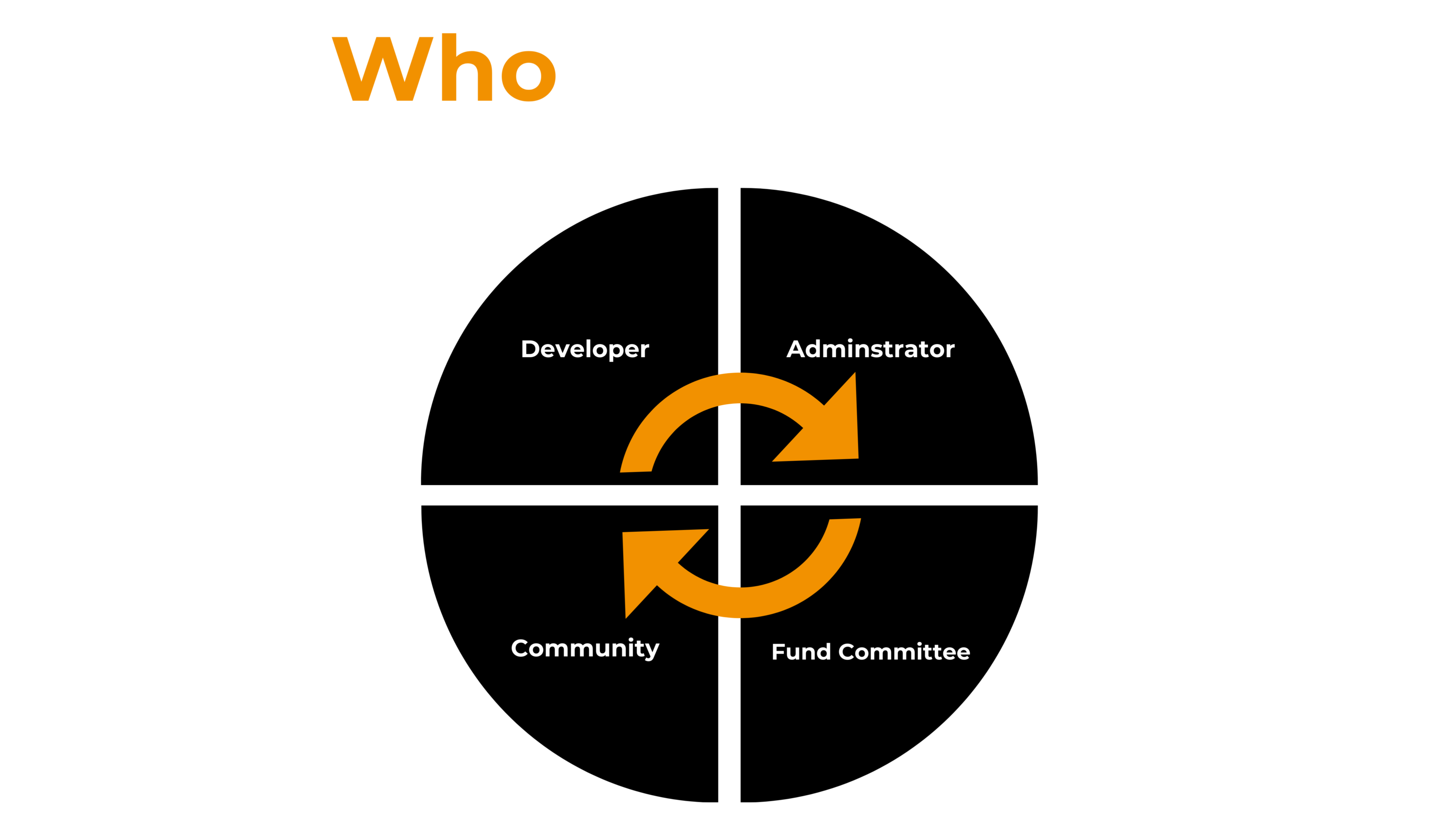
The Community Benefit Fund (CBF) is designed to support local communities located near RESS‑supported solar farm projects. The process is transparent, structured and aligned with national guidelines for community funding.
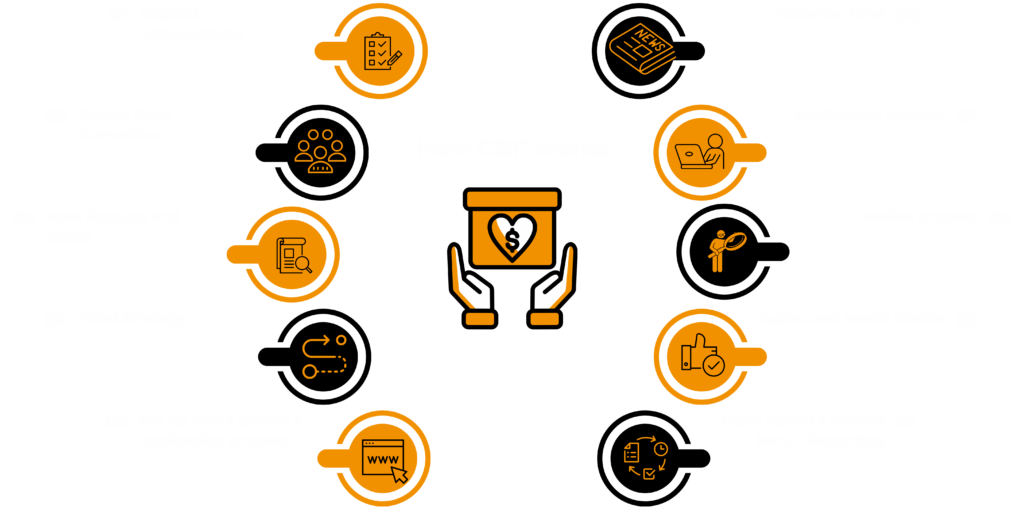
Here’s how the CBF process works from start to finish:
1. Appoint Administrator
The developer first appoints an independent Fund Administrator to oversee the process. This step ensures governance and compliance from the start.
2. Create the Fund Committee
Next, a Committee is formed. It includes community representatives, the developer and the administrator. As a result, local voices are part of every decision.
3. Scope the Area and Collaborate
The Committee then identifies community needs, meets local groups and gathers insights. This collaboration helps shape meaningful funding priorities.
4. Develop the Fund Strategy
After scoping, the Committee sets the fund’s strategy, eligibility criteria and objectives. This creates a clear roadmap for the funding round.
5. Set Up the Application Hub
The administrator promotes the fund across local channels. This makes the process simple and accessible.
6. Advertise the Fund
The fund is then advertised across local channels so all eligible groups are aware and encouraged to apply.
7. Application Process
Community groups submit their funding applications through the online portal. This step begins the formal review.
8. Review and Assessment
The Committee reviews every application using agreed criteria. As a result, all decisions remain fair, consistent, and transparent.
9. Agree and Award Grants
Approved projects receive funding based on impact, alignment with community needs and available budget.
10. Fund Administration and Reporting
Finally, the administrator manages payments and reporting, while funded groups deliver their projects and submit progress updates.
This step‑by‑step process ensures that funding is fair, transparent and impactful, supporting long‑term community wellbeing and projects aligned with Ireland’s renewable energy goals.
The proposed Kilcandra Solar Farm will benefit from ongoing participation by interested parties at every stage of development. If you would like to comment or request more information, please complete the contact form below. A member of our team will respond as soon as possible.
How can we help? Let us know below and we’ll get back to you soon.