A Battery Energy Storage System (BESS) stores electricity and supplies it back to the grid when it is needed. BESS helps support the electricity network by improving flexibility, reducing congestion, and supporting renewable energy such as solar and wind.
A BESS site is a compact, fenced facility made up of battery units, control equipment, and underground grid connections. Sites are carefully designed with safety, environmental protection, and landscaping in mind and are located close to existing electricity infrastructure where possible.
All BESS projects are subject to the planning process and environmental assessment. They are designed for a defined operational lifespan and can be decommissioned and restored at the end of their use.
Project Information
The project involves the construction of a Battery Energy Storage System (BESS), which captures electricity generated from renewable sources, such as solar, and redistributes it to the grid when necessary. This technology plays an important role in supporting renewable energy and grid stability.
The development will include:
136 battery energy storage units
17 twin skids
1 control room
1 water tank
1 spare parts container
3 parking spaces
Underground cabling
Security fencing with access gates
4 CCTV posts and 14 lighting posts
A temporary construction compound
New and upgraded access tracks
Landscaping and associated ancillary works
All works will be carried out in line with planning and environmental requirements.
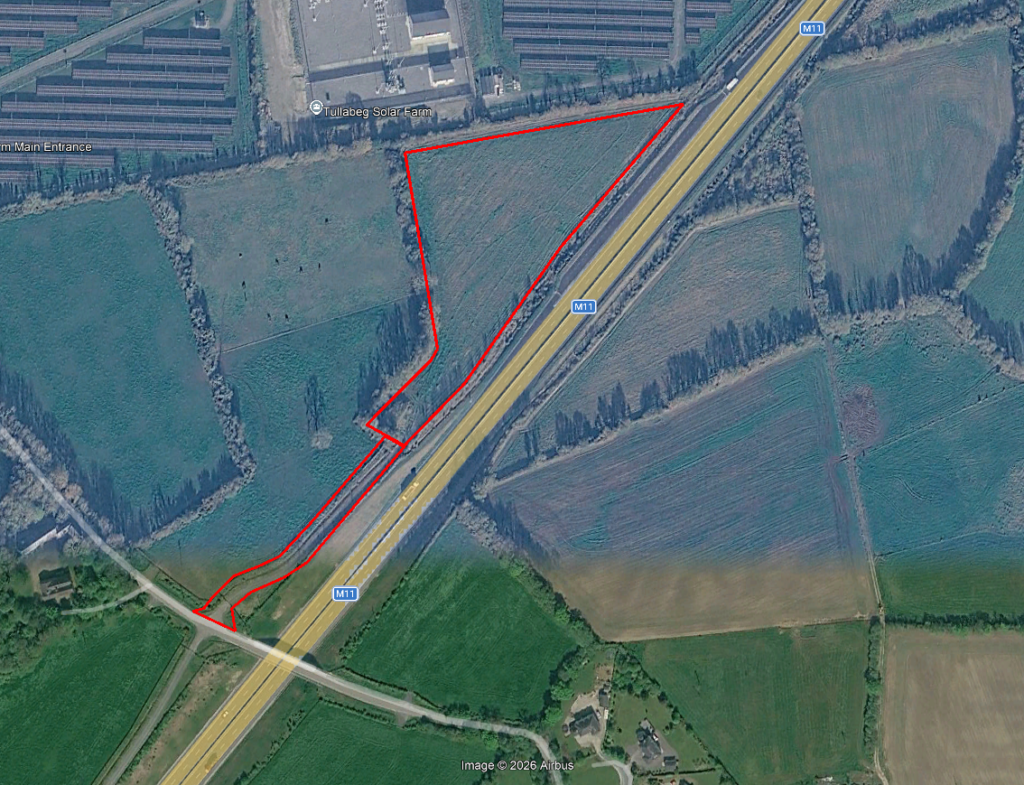
Access to the Application Site will be provided from an existing access point off the L5092 to the southwest of the Application Site. The development will have an operational capacity of up to 100-megawatt peak and is designed to have an operational lifetime of 35 years.
Project Sitemap
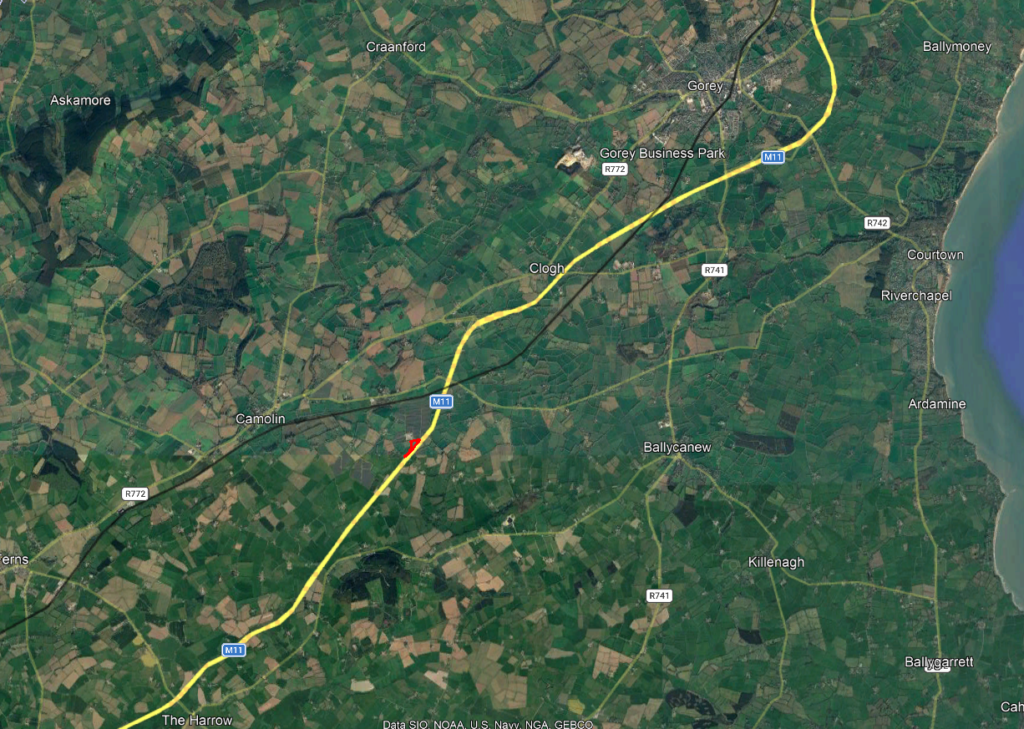
An overview map showing the project boundaries and key local roads for context.
Benefits from this project
Battery Energy Storage Systems (BESS) play an increasingly important role in supporting Ireland’s electricity network as demand for power continues to grow.
BESS projects store electricity when it is available and release it back to the grid when it is needed most. This helps the electricity system operate more efficiently and reliably, particularly during periods of high demand or when renewable generation is variable.
Supporting a Stronger Electricity Grid: BESS projects provide essential grid support services that help balance supply and demand. By responding quickly to changes on the network, battery storage can help manage congestion, support local electricity infrastructure, and improve overall grid resilience.
Enabling Renewable Energy: Battery storage works alongside renewable energy projects such as solar and wind. By storing renewable electricity when production is high and releasing it when demand increases, BESS helps limit curtailment and makes better use of existing renewable generation.
Improving Security of Supply: Energy storage provides flexible, dispatchable power that can support the grid at critical times. This contributes to a more reliable electricity system, helping to meet peak demand and support future growth in electricity use.
Compact and Appropriate Development: BESS developments typically have a small physical footprint and are carefully located close to existing grid infrastructure, such as substations. This makes them well suited to a range of locations while minimising land take and visual impact.
Temporary and Reversible Infrastructure: Battery projects are designed for a defined operational lifespan. At the end of this period, the equipment can be removed and the site decommissioned in accordance with approved plans.
Consideration of Environment and Safety: All BESS projects are subject to detailed planning and environmental assessment. Design measures include landscaping, controlled access, and safety systems to ensure the development operates responsibly within its surroundings.
The proposed development consists of a 10-year planning permission for the construction of, and a 40-year operation.
Supporting Information
The design of the BESS is directly informed and guided by extensive range of survey data collected from the site. The application will be accompanied by supporting information including: Planning and Environmental Considerations Report that examines the potential impacts of the solar farm in respect of:
Population
Biodiversity
Water
Noise
Visual impact and impact on the landscape
Cultural Heritage
Traffic and Transport
Application Process
Construction Environmental Management Plan (that will finalised and agreed with the County Council before any construction work takes place)
Our goal is to deliver clean, renewable energy while creating lasting benefits for the local community and environment. By listening, sharing updates, and engaging openly, we can ensure the solar farm reflects local priorities and provides real value for everyone.
FAQ
A Battery Energy Storage System (BESS) stores electricity and supplies it back to the electricity grid when it is needed. It helps balance supply and demand and supports the reliable operation of the electricity network.
Electricity demand in Ireland is increasing. BESS helps support the grid by improving flexibility, reducing congestion, and helping integrate renewable energy such as solar and wind.
BESS projects are typically located close to existing electricity infrastructure, such as substations, to reduce the need for new grid infrastructure and minimise environmental impacts.
During construction there will be some increase in traffic movements in the areas but the process will be managed through a Construction Traffic Management Plan that will be agreed with the County Council to ensure that any disruption is kept to a minimum. Once operational, there will be 1 or 2 maintenance visits per month using light goods vehicles.
Some BESS projects are co‑located with renewable energy developments, while others operate independently to support the electricity grid. Details for each project are outlined in the project description.
A BESS site is a compact, fenced facility containing battery units and associated equipment. Landscaping and screening are included to help the development integrate with its surroundings.
BESS sites usually cover a relatively small area compared to other types of infrastructure. The size depends on the project capacity and layout, which are provided as part of the planning application.
The site includes equipment such as cooling systems, which can generate noise. Noise assessments are carried out as part of the planning process to ensure acceptable levels are maintained.
During construction, there will be an increase in traffic for a limited period. Once operational, BESS sites generate very low traffic, typically limited to occasional maintenance visits.
BESS facilities are normally unmanned and monitored remotely. Maintenance visits take place periodically as required.
Yes. BESS projects are designed and operated in line with international safety standards. Safety systems, monitoring, and operational procedures are built into the design.
Fire safety is a key consideration in BESS design. Fire risk and safety measures are assessed as part of the planning process, and designs are reviewed with relevant authorities where required.
Yes. Emergency access, site layout, and safety measures are considered during the design and planning stages, with input from relevant stakeholders where appropriate.
Environmental impacts such as ecology, drainage, noise, and landscape are assessed as part of the planning application, supported by specialist studies where required.
Any proposed lighting is assessed through planning and designed to minimise light spill and impact on nearby properties and the surrounding environment.
The project connects to the electricity network via underground cables, usually linking into an existing substation.
Where possible, grid connections are designed using underground cables and existing infrastructure. Any required works are described in the planning application.
BESS projects are designed for a defined operational lifespan, typically several decades.
At the end of its operational life, the equipment can be removed and the site decommissioned and restored in accordance with approved plan
Public feedback is welcomed. Community consultation helps inform the project design before a planning application is submitted.
Details on how to provide feedback or contact the project team are available on the project website or consultation materials.
We welcome any questions or feedback regarding the Tullabeg BESS. Please complete the form below and a member of our team will respond as soon as possible.
Call
Call us on +353 1 685 2858. We’re around Monday to Friday, 9:00AM to 5:00PM